Comprehensive Installation via Siding Services
Skilled Siding Services: Safeguarding Your Home While Improving Its Appearance
Expert siding services serve a dual purpose: they protect homes from the elements and improve aesthetic value. Over time, symptoms including fractures and moisture accumulation signal the necessity of prompt siding replacement. Picking durable materials designed for particular climates significantly affects lasting strength and energy savings. Professional installation remains an absolute necessity. Understanding these aspects is vital for residents thinking about an improvement. What factors should one weigh before making such a decision?
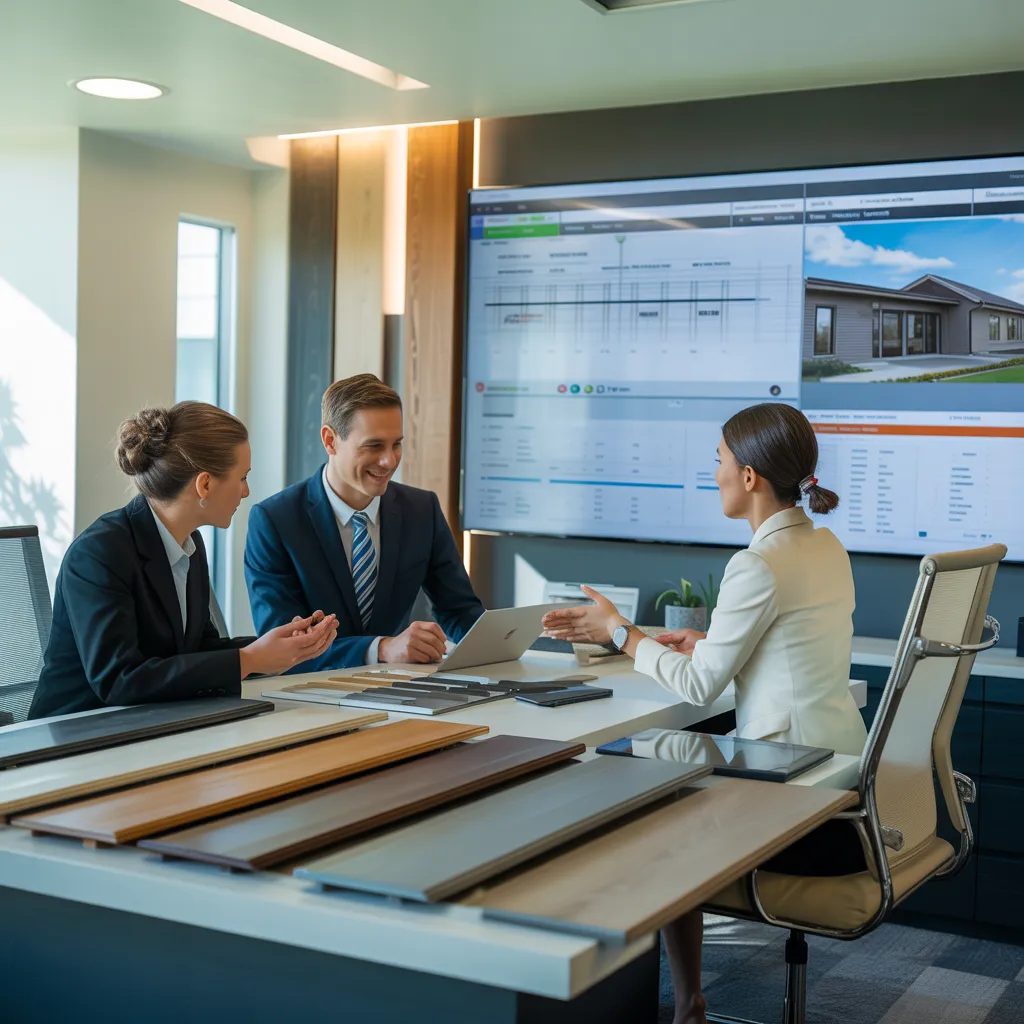
How to Know When Your Siding Should Be Replaced?
When is it time for homeowners to replace their siding? There are several key signs that homeowners should watch for that suggest siding replacement is needed. Noticeable damage, including cracks, warping, or peeling paint, can undermine the exterior's structural integrity and visual appeal. Furthermore, signs of moisture or mold can indicate deeper problems that could result in expensive repairs if ignored. Should energy costs start increasing without explanation, this could signal poor insulation caused by deteriorating siding, warranting a closer look at the home's exterior. In addition, the age of the siding is a critical factor; the majority of siding materials last between 20 and 30 years. Lastly, if outside noise levels seem to be increasing indoors, it could be an indication that upgrading to a more sound-resistant siding is warranted. Recognizing these signs early can help maintain the home's safety and aesthetic appeal while preventing future complications.
Why High-Quality Siding Is Important for Your Home
High-quality siding is a key factor in a home's total performance and curb appeal. read more It improves energy efficiency by supplying enhanced insulation, which can contribute to lower utility bills. Furthermore, premium siding significantly enhances curb appeal, making the property more attractive to future buyers and onlookers.
Benefits of Energy Efficiency
Energy efficiency is an essential aspect of modern home design, and the type of siding plays a significant role in achieving it. Quality siding materials, such as insulated vinyl or engineered wood, offer exceptional thermal insulation, helping to preserve steady interior temperatures. This decreases dependence on heating and cooling systems, ultimately leading to lower energy bills. Additionally, properly installed siding reduces air infiltration, further enhancing a home's insulation. Homeowners investing in premium siding options not only enhance their home's thermal performance but also contribute to a sustainable environment by reducing their environmental impact. To sum up, selecting the right siding is critical for enhancing a home's energy efficiency, making it a smart investment for long-term comfort and savings.
Curb Appeal Enhancement
While the choice of siding may seem like a minor detail, it significantly influences a home's general visual appeal. Quality siding can transform an ordinary house into an inviting residence, boosting its visual charm and showcasing the owner's personal taste. A wide range of materials, hues, and textures provide opportunities for individualization, empowering residents to craft a one-of-a-kind style that distinguishes their home from others. Furthermore, properly kept siding can boost a home's market value, positioning it as a worthwhile long-term investment. Homebuyers often prioritize visual appeal, and quality siding can be a deciding factor. At the end of the day, picking the perfect siding both shields the building and amplifies its appeal, establishing it as an essential element in creating an attractive, inviting residence.
Siding Material Selection: Factors Worth Considering
Picking the ideal siding materials is critical for boosting a home's appearance and structural integrity. There are several key factors homeowners should evaluate before making this choice. Above all, climate serves as a crucial consideration; choices such as vinyl or fiber cement are often ideal for locations that experience severe weather conditions, while wood siding can offer charm in temperate climates.
Next, maintenance requirements vary; certain materials need periodic painting or staining, while others are virtually maintenance-free. Budget is also a key factor; options range from budget-friendly vinyl to higher-end natural wood or stone.
Energy efficiency must also be evaluated, as certain materials provide better insulation, possibly decreasing heating and cooling expenses. Additionally, homeowners ought to evaluate their property's architectural design to guarantee that the siding complements its overall design. By taking all of these aspects into account, homeowners can select siding materials that enhance both beauty and longevity.
Benefits of Hiring Professional Siding Installers
Selecting professional siding installers can substantially elevate the quality and lifespan of a residential exterior. These experts possess extensive experience, ensuring that the installation is performed to the highest standards. Their professional expertise positions them to handle potential obstacles, such as poor alignment or insufficient sealing, which can cause significant repair costs in the future.
Moreover, experienced installers are armed with the correct equipment and supplies, which can greatly minimize installation time and improve the overall finish. They also remain informed about local construction codes and regulations, ensuring compliance and minimizing the chance of fines or additional work.
Furthermore, enlisting skilled professionals often features assurances on both labor and materials, giving homeowners a sense of security. This level of assurance, combined with the functional and aesthetic benefits of expert workmanship, demonstrates the importance of relying on qualified professionals for siding projects.
Enhancing Curb Appeal With Siding Solutions
Choosing the best siding can considerably improve a home's aesthetic appeal. Color selections, coupled with diverse finishes and materials, allow homeowners to develop a distinctive look that reflects their individual taste. By weighing these elements, homeowners can turn their property into a attractive and welcoming space.
Why Color Choices Matter
In what ways can the ideal color enhance a home's exterior? Selecting the right siding color has a significant effect on a home's curb appeal, establishing the foundation for its overall appearance. Lighter tones have the ability to make a space feel more open and welcoming, while darker hues can evoke elegance and sophistication. Bright and vivid hues attract notice, enabling a home to make a statement in the neighborhood, while understated colors deliver a refined and timeless aesthetic. Additionally, the right color can harmonize with landscaping and architectural features, creating a cohesive appearance. Homeowners should consider their personal style, local climate, and neighborhood trends when selecting colors. At the end of the day, deliberate color decisions not only boost a home's visual appeal but also mirror the homeowner's individuality, guaranteeing the space feels warm and well-kept.
Material And Texture Choices
A wide range of textures and material choices can considerably boost a home's curb appeal, offering homeowners the opportunity to make a distinctive statement. Siding materials such as vinyl, wood, and fiber cement each deliver individual design appeal and structural resilience. Low-maintenance vinyl siding, is available in various textures that mimic natural materials. Although wood siding demands greater maintenance, delivers a sense of warmth and traditional appeal, available in smooth or rough-hewn finishes. Fiber cement siding strikes the perfect balance, delivering strength and an array of textures, from stucco to wood grain. Such options enable homeowners to customize their home's exterior, improving both the visual charm and market value of the home. Selecting the right combination can transform any home into a stunning masterpiece.
Essential Tips for Maintaining Long-Lasting Siding Performance
Regular maintenance is vital for guaranteeing the longevity and performance of home siding. Homeowners should begin by cleaning the siding at least twice a year to clear away dirt, mildew, and unwanted buildup. A gentle pressure washer or a soft brush with a mild detergent can effectively maintain its appearance without causing damage. Examining the siding for fractures, warping, or detached panels is necessary; resolving these concerns quickly can avert more serious complications. Furthermore, property owners should ensure adequate drainage near the foundation to prevent moisture damage. Using a quality sealant can improve resilience, especially for wooden siding. It's also advisable to repaint or stain every few years, as this helps protect against the elements. Lastly, routine inspections of caulking around windows and doors will ensure secure seals, lowering utility expenses and prolonging the siding's lifespan. These proactive steps contribute to maintaining both aesthetics and functionality.
Frequently Asked Questions
How Long Does a Standard Siding Installation Generally Take?
The siding installation process usually takes anywhere from one to three days, according to the project's size and overall complexity. Factors like weather conditions and the type of siding chosen can also influence the overall timeline for completion.
What Are the Prices Associated With Siding Replacement?
Siding replacement pricing can differ significantly, generally falling between $5,000 and $15,000 based on the materials used, labor costs, and the size of the home. Property owners need to account for extra costs, such as removal of old siding and potential structural repairs.
Can New Siding Be Installed Over Existing Siding?
Indeed, new siding is installable over current siding, but it is essential to ensure the foundational structure is in good condition. Suitable insulation and moisture barriers are necessary to prevent issues including rot and mold.
What Warranty Options Are Available for Siding Products?
Numerous siding products are backed by warranties that vary greatly, typically protecting against material defects for 20 to 50 years. Installation coverage may also be included, protecting workmanship for a designated period, often covering one to ten years.
How Do I Choose a Siding Color That Complements My Home?
To select a siding color that complements a home, one should consider the architectural style, nearby natural environment, and adjacent properties. Color samples assist in visualizing choices, while using color wheel resources enhances the decision-making process.